
10 Fun Facts About Dry Cleaning

fun facts about dry cleaning

Today, we’re sharing 10 fun facts about dry cleaning that might just change the way you look at your wardrobe.

Most people drop off their clothes at the cleaners without thinking much about what happens next. You bring in a dress with a stain, a suit that needs pressing, or a comforter that’s seen better days… and then, a few days later, everything comes back crisp, clean, and revived.

However, dry cleaning has a fascinating history. In fact, it includes an 1821 patent that we still celebrate nationwide every March 3rd.

So, let’s start.

1. Dry Cleaning Isn’t Actually “Dry”  

Despite the name, dry cleaning does use liquid. The key difference is that it doesn’t use water.

Instead, garments are cleaned in a specialized solvent designed to remove oils and stains without soaking fabrics the way water does. Because there’s no traditional wash-and-spin cycle, delicate materials maintain their shape, color, and texture much better.

So while it’s called “dry,” the process is simply water-free, not moisture-free.

2. Dry Cleaning Was Patented in 1821 — and March 3rd Is a Big Deal  

Long before modern machines existed, a tailor named Thomas Jennings developed a cleaning process called “dry-scouring.”

On March 3, 1821, he received a U.S. patent for his invention, making history as the first African-American inventor to secure the rights to his own invention. His work laid the foundation for what eventually became modern dry cleaning.

Today, we celebrate March 3rd as National Dry Cleaning Day in honor of that milestone and the evolution of an industry dedicated to helping garments last longer and look better.

So yes, there’s real history stitched into every pressed shirt.

3. Ancient Romans Had Their Own Version of Professional Cleaning  

Long before pressing machines and modern solvents, ancient Romans had “fullers” — professionals who cleaned garments using water, clay, and, surprisingly, fermented urine.

It may sound shocking, but the ammonia helped break down stains. Thankfully, cleaning technology has improved dramatically since then.

Still, the concept of professional garment care has been around for thousands of years.

4. Oil-Based Stains Often Respond Better to Dry Cleaning  

Here’s one of the most practical fun facts about dry cleaning: oil-based stains — like makeup, sunscreen, salad dressing, and cooking grease — often respond better to solvent cleaning than water washing.

Because water and oil don’t mix, traditional laundry can sometimes set those stains rather than remove them. Therefore, bringing items in sooner rather than later gives us the best chance at complete removal.

Timing really does matter.

5. Your Clothes Get a Full Spa Treatment  

Dry cleaning isn’t just about removing stains. It’s also about finishing.

After cleaning, garments are carefully pressed, steamed, shaped, and inspected. Buttons are tightened. Loose threads are clipped. Hems are checked.

In other words, it’s more like a wardrobe refresh than a simple wash cycle.

6. Modern Dry Cleaning Is More Eco-Conscious Than Ever  

Over the years, cleaning technology has evolved significantly. Today, many cleaners use advanced systems that are effective on stains while being gentler on fabrics and the environment.

At Kona Cleaners, we use modern cleaning methods that prioritize both garment care and responsible practices. As a result, your clothes receive professional attention without unnecessary harshness.

It’s innovation with intention.

7. Professional Cleaning Helps Clothes Last Longer  

Although it may seem convenient to wash everything at home, frequent machine washing can fade colors, weaken fibers, and distort shape over time.

Professional dry cleaning, on the other hand, helps maintain structure in suits, dresses, and tailored pieces. Therefore, investing in proper care actually extends the life of your favorite items.

Think of it as maintenance, not just cleaning.

8. “Dry Clean Only” Isn’t Just a Suggestion  

That care label isn’t there to be dramatic.

Many fabrics, including wool, silk, rayon, and structured blends, can shrink, stretch, or lose their shape when exposed to water agitation. While some items may tolerate gentle hand-washing, many truly benefit from professional care.

When in doubt, it’s always worth asking.

9. Dry Cleaning Isn’t Just for Clothing  

Comforters, drapes, table linens, and certain decorative pillows can all benefit from professional cleaning.

Because these items are bulky and heavy, home machines often can’t clean them evenly. Professional equipment ensures thorough cleaning and proper drying, which helps prevent mildew, odors, and uneven wear.

Your household items deserve attention, too.

10. Your Local Dry Cleaner Is Part Scientist, Part Artist  

Every garment is different. Fabric blends vary. Construction details matter. Stains behave unpredictably.

Therefore, professional garment care requires both technical knowledge and hands-on skill. From spotting to pressing, it’s a blend of science and craftsmanship.

And honestly? We love what we do.

Next Time You Drop Off Your Clothes…  

You’re not just handing over a shirt or a dress. You’re trusting decades of history, evolving technology, and careful craftsmanship.

And now that you know these fun facts about dry cleaning, including why March 3rd is such an important date, you might see your wardrobe a little differently.

If you ever have questions about a garment, a stubborn stain, or a care label that feels confusing, we’re always here to help.

Bring your items to Kona Cleaners or schedule a pickup, and let’s keep your wardrobe looking its best.

Why Do My New Jeans Already Look Worn?

new jeans look worn

You buy a new pair of jeans because they fit well and the wash is perfect. They are not bargain-bin cheap, but they are not designer either. After wearing them only a few times, you start to notice something that feels slightly disappointing.

There is a faint line across the thigh. Maybe a slightly fuzzy patch near the pocket. Perhaps a strip of fabric that looks like it’s beginning to pill.

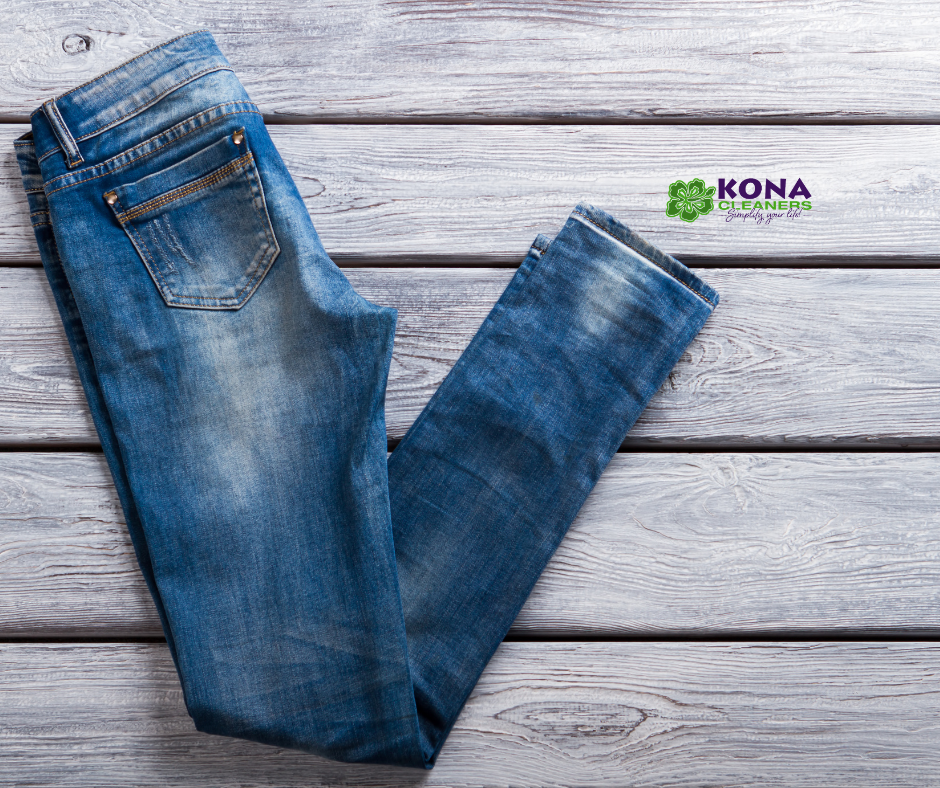
Suddenly, your new jeans look worn, and you cannot quite figure out why.

At that point, you start wondering what happened. Are you harder on your clothes than you realized? Or are clothes simply made differently now?

When New Jeans Look Worn After Just a Few Wears   

The truth is, most modern jeans are no longer 100 percent cotton. Especially in the mid-range or fast-fashion category, denim is usually a blend. Cotton is mixed with elastane for stretch and sometimes polyester for structure, while shorter cotton fibers are often used to reduce production costs.

That stretch makes jeans far more comfortable than older denim ever was. However, it also changes how the fabric behaves over time.

Blended fibers do not respond to friction the same way as thicker, old-school cotton denim did. As you sit, walk, bend, and move throughout the day, those fibers shift and rub against each other. In high-contact areas like thighs and hips, that movement can appear quickly as faint lines or light pilling.

In many cases, what you are seeing is not actual damage but the fabric settling into its true structure.

The $30 Question   

A $30 pair of jeans today is not built with the same materials or manufacturing standards as denim from decades ago. Production moves faster, fabric is often lighter, and fibers are frequently shorter. The focus is usually comfort, trend, and price point rather than a ten-year lifespan.

That does not automatically mean your jeans are poorly made. It simply means they were designed with different priorities.

A softer hand feel often comes from looser surface fibers, while stretch content introduces tension within the weave. As a result, jeans can feel amazing the first time you wear them, but subtle signs of wear may appear sooner than expected.

Why New Jeans Look Worn So Quickly   

New denim goes through a natural breaking-in phase. Even without heavy wear, the fabric begins to relax. Stretch fibers adjust, and the tension created during manufacturing starts to settle.

If the cotton fibers are shorter, which is common in lower-cost production, they can lift slightly with everyday friction. That is when you begin to see faint pilling or soft texture lines.

It is not necessarily that your jeans are falling apart. Instead, the surface fibers are revealing how the fabric was constructed in the first place.

In other words, your jeans are no longer in their pristine, straight-off-the-rack state. They are adjusting to real life.

So, Is It Ruined?   

Most of the time, the answer is no.

Surface pilling can often be gently removed, and minor tension lines may stabilize after a few washes. In many situations, what appears to be weakness is purely cosmetic.

What matters more is how you care for the jeans moving forward.

High heat, frequent washing, and heavy agitation can exaggerate early signs of wear. Stretch denim, in particular, benefits from gentler handling. Turning jeans inside out, washing in cooler water, and avoiding excessive dryer heat can help preserve the fabric’s integrity.

Modern denim requires a slightly different mindset. Rather than relying on brute durability, it responds better to thoughtful care.

Are Clothes Made Differently Now?   

The short answer is yes.

Today’s fabrics are often engineered for flexibility, softness, and affordability. Those are not negative qualities, but they do come with trade-offs.

When new jeans look worn after only a few wears, it is not necessarily a sign that you made a poor purchase. Instead, it often reflects the evolution of fabric construction.

We still expect new clothes to behave like the heavier denim of the past, yet they are built differently now.

If your jeans are showing subtle wear sooner than you expected, you are not imagining it, and you are certainly not alone in noticing.

At Kona Cleaners, we see firsthand how modern fabrics age, from stretch denim to blended knits. With proper care, even mid-range pieces can last longer than you think.

If something feels off, bring it in. Sometimes what looks like early wear simply needs the right attention rather than immediate replacement.

When Underarm Odor Won’t Go Away

underarm odor in clothes

You wash your clothes.
They come out of the dryer smelling fine.
Then you put on a shirt, start moving, and suddenly the odor is back. 

If you’re dealing with underarm odor in clothes that won’t stay fresh, you’re not alone. This is one of the most common and frustrating laundry problems, especially with activewear and everyday tops worn close to the skin.

The issue usually isn’t hygiene.

It’s what’s happening inside the fabric fibers.  

Why Underarm Odor in Clothes Is So Hard to Fix    

Sweat itself doesn’t smell. Odor forms when sweat mixes with bacteria and body oils on your skin, which is why body odor is actually caused by bacteria breaking down sweat rather than sweat alone (according to the Cleveland Clinic).

Over time, the underarm areas absorb:

  • Body oils
  • Sweat residue
  • Deodorant and antiperspirant buildup
  • Bacteria that thrive in warm, damp environments

Even after washing, small amounts of this residue can remain trapped in the fibers. As soon as the fabric warms up again, the odor reappears.

That’s why underarm odor clothes often smell clean at first, then develop odor again during wear.  

Why Activewear Makes It Worse    

Athletic clothing is designed to manage moisture, but that same design can make odor harder to eliminate. 

Many activewear fabrics:

  • Hold onto oils more than natural fibers
  • Trap bacteria deep inside the weave
  • Resist full odor removal with standard washing

As a result, underarm odor in clothes is especially common with workout shirts, performance fabrics, and garments worn during high activity.   

What Actually Helps Remove Underarm Odor from Clothes    

Getting rid of persistent odor isn’t about masking smells. It’s about breaking the cycle that allows odor to return. 

Here are solutions that actually help:

1. Wash sweat-prone clothing soon after wearing
Letting sweaty clothes sit gives bacteria time to multiply and bond with fabric fibers. Even placing garments in a breathable laundry basket instead of a gym bag can help reduce odor buildup. 

2. Use less detergent, not more
Too much detergent often leaves residue behind. That residue traps oils and bacteria, making clothes smell of underarm odor again faster instead of staying fresh. 

3. Skip fabric softener on odor-prone items
Fabric softeners coat fibers to create softness, but that coating can seal in odor-causing buildup. Activewear and everyday tops worn close to the skin are better without it. 

4. Turn garments inside out before washing
Underarm buildup sits on the inside of clothing. Turning garments inside out helps water and detergent reach the areas that need the most attention. 

5. Don’t use heat to “fix” odor
High heat doesn’t remove odor. If the residue is still present, heat can actually set smells into the fabric, making them harder to remove later. 

6. Ensure clothes are fully dry before storing
Even slight dampness can reactivate bacteria. Sweat-prone clothing should be completely dry before folding or hanging. 

7. Know when home washing isn’t enough
If underarm odor persists after multiple washes, oils and bacteria are likely trapped deep in the fibers. Repeating the same routine usually leads to frustration instead of results. 

Professional cleaning can break down buildup that home washing can’t reach, without damaging the fabric.   

When Professional Care Makes the Difference

Professional cleaning works at the fiber level, not just the surface. 

It helps:

  • Remove embedded oils and residue
  • Neutralize odor-causing bacteria
  • Restore breathability to fabrics
  • Extend the life of garments that still look good

Instead of replacing clothes that otherwise fit and feel fine, proper care can give them a true reset.   

A Smarter Way to Handle Odor in Clothes    

Persistent underarm odor doesn’t mean your clothes are ruined. It usually means they need deeper care than home washing can provide.

At Kona Cleaners, we help remove what you can’t see, so your clothes stay comfortable, fresh, and wearable longer.

If the odor keeps coming back, bring your garments in or schedule a pickup. We’re happy to help.

What Happens Inside Fabric Fibers Over Time

What Happens Inside Fabric Fibers Over Time

Most people decide whether clothes are clean by what they can see or smell.

If there’s no visible stain and no odor, it feels safe to assume everything’s fine.

But what happens inside fabric fibers over time tells a very different story.

Long before clothes look worn, subtle changes are already taking place beneath the surface.   

What Happens Inside Fabric Fibers Over Time   

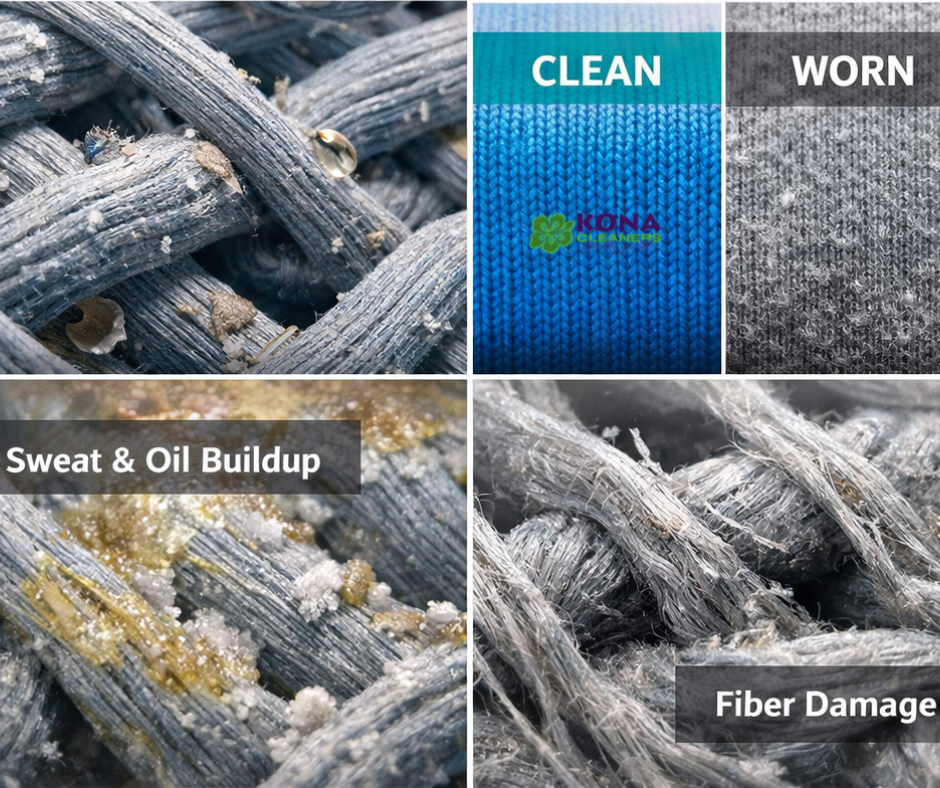
Fabric fibers aren’t smooth threads. Under magnification, they resemble tiny sponges or twisted strands. This structure gives clothing softness and flexibility, but it also allows fibers to absorb more than just water.

Over time, fabric fibers collect:

  • Body oils that cling to threads
  • Sweat that dries and leaves behind salts and proteins
  • Every day dirt that settles deep between the woven strands
  • Airborne particles picked up through normal wear

Even when clothes appear clean, these materials can remain trapped inside the fibers, slowly affecting how garments feel, move, and hold their shape.  

Re-Wearing vs. Overwashing: Finding the Balance for Fabric Fibers   

Not every garment needs to be washed after every wear. In fact, overwashing can shorten the life of clothing just as quickly as neglect.

Letting clothes air out between wears is helpful when:

  • The item was worn briefly
  • There was minimal sweat or direct skin contact
  • The fabric is delicate or structured

However, airing out only addresses what’s happening on the surface. 

Over time, even well-cared-for garments still accumulate oils, residue, and microscopic dirt that do not evaporate. As that buildup remains in fabric fibers, normal movement creates friction. That friction gradually weakens the fibers, leading to thinning, stiffness, or garments that no longer feel comfortable.

Think of airing clothes out as maintenance. 

Professional cleaning is the reset that keeps fabric fibers healthy in the long term.

The goal isn’t washing more often. It’s knowing when proper cleaning protects your clothes better than waiting.  

How Fiber-Level Buildup Changes the Way Clothes Feel  

One of the first signs of fiber damage isn’t visible wear; it’s discomfort.

As buildup increases, clothes may:

  • Feel heavier or stiffer
  • Lose softness or natural drape
  • Stretch out in high-contact areas
  • Hold onto odors longer

This is why favorite pieces often feel “off” before they look worn. The fabric is still intact, but the fibers are no longer functioning the way they were designed to.  

What Happens Inside Fabric Fibers Over Time 

The Limits of Home Washing on Fabric Fibers  

Home washing plays an important role in everyday garment care, but it has limitations.

Traditional washing can struggle with:

  • Deep-set body oils
  • Heavier or layered fabrics
  • Structured garments
  • Natural fibers like wool and cashmere

Over time, repeated washing without fully removing residue can leave fabric fibers clean on the surface but compromised underneath. That’s when garments lose comfort, shape, and longevity.   

How Professional Cleaning Protects Fabric Fibers Over Time  

Professional cleaning is designed to work at the fiber level, not just the surface.

It helps to:

Break down oils embedded inside fabric fibers

  • Lift residue without stressing the material
  • Restore softness, breathability, and movement
  • Preserve seams, structure, and shape

This level of care is especially important for sweaters, jackets, workwear, and everyday items worn close to the skin.   

Why Fabric Fiber Health Matters More Than Stains   

Stains are obvious. Fiber damage is gradual.

Protecting fabric fibers over time helps:

  • Extend the life of clothing
  • Maintain comfort and appearance
  • Reduce the need for frequent replacement

Proper cleaning isn’t about fixing mistakes. It’s about preventing slow wear before it becomes permanent.   

Caring for Clothes from the Inside Out  

If your clothes don’t feel the same anymore, there’s usually a reason, and it often starts inside the fabric fibers.

At Kona Cleaners, we focus on caring for what happens inside fabric fibers over time, helping the clothes you rely on stay comfortable, wearable, and long-lasting. 

When your garments are ready for a reset, schedule a pickup or drop them off at one of our convenient locations. We’re here to help.

Flu Season Survival Starts in Your Closet

flu season survival

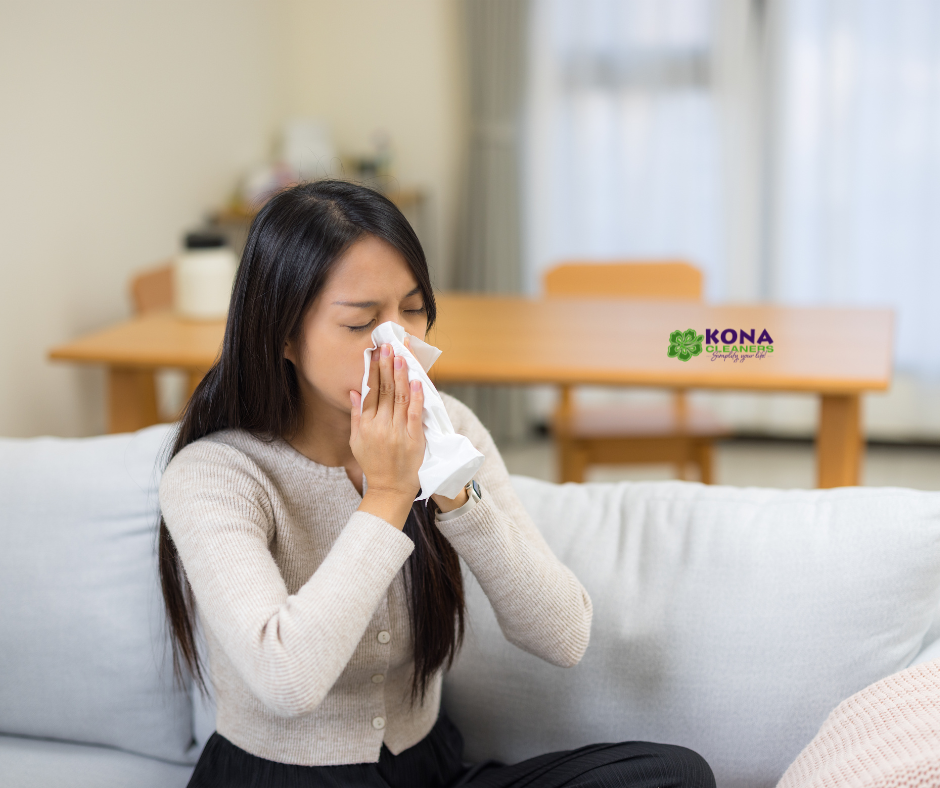
Winter in Southern California looks different than other parts of the country. Still, flu season arrives every year. Schools, offices, and public spaces stay busy. As a result, germs spread quickly.

Most people focus on washing their hands and wiping down surfaces. That helps. However, one important area often overlooked during flu season survival is clothing.

What you wear each day, and how those clothes are cleaned, can make a real difference. In fact, flu season survival often starts right in your closet.   

Flu Season Survival and How Germs Travel on Fabrics  

During flu season, germs do not stay on shared surfaces alone. They also cling to clothing. As you move through your day, fabrics come into contact with many public spaces. 

For example, germs often collect on:

  • Jackets and light outerwear
  • Sweaters, hoodies, and sweatshirts
  • Work clothes and school uniforms
  • Scarves, hats, and everyday layers

Even when clothes look clean, germs can remain in the fibers. This typically occurs when items are worn multiple times between cleanings. As a result, re-wearing clothes can quietly work against flu season survival at home.   

Why Home Washing Can Fall Short During Flu Season 

Home washing helps, but it does not always remove everything. This is especially true during flu season.

Many wash cycles are designed for speed and convenience. They are not designed for deep cleaning. In addition, heavier fabrics often need higher water temperatures. Most home machines do not reach those levels.

Bulky items also struggle to move freely in the washer. Because of that, they may not get fully cleaned. Jackets, comforters, and structured garments are especially difficult to wash safely at home.

Over time, these items can hold onto germs. This can make flu season survival harder than it needs to be.   

How Professional Cleaning Supports Flu Season Survival   

Professional dry cleaning and laundering go beyond surface cleaning. At Kona Cleaners, garments are cleaned using professional methods designed to remove buildup from fibers.

Professional cleaning helps by:

  • Cleaning high-contact areas like collars and cuffs
  • Removing body oils that allow germs to linger
  • Safely cleaning garments that are hard to wash at home
  • Caring for outerwear, bedding, and specialty items

Because of this, clothes come back feeling truly clean. That extra level of care supports flu season survival throughout your home.  

Hotspots You Might Be Missing   

For better flu season survival, it helps to look beyond everyday outfits. Some items collect germs faster and are cleaned less often. 

These include:

  • Outerwear worn for several days in a row
  • Workwear and school clothes are exposed to shared spaces
  • Bedding, including sheets and comforters
  • Household textiles like throws and decorative pillows

Cleaning these items more often can help reduce how germs move through your home.   

Simple Habits That Support Health and Wellness

Along with professional cleaning, a few small habits can help during flu season:

  • Change clothes after time spent in public places
  • Avoid rewearing outer layers without cleaning
  • Wash bedding more frequently when illness is spreading
  • Store worn jackets and bags away from sleeping areas

When combined with professional garment care, these habits support your well-being.  

Stay Comfortable This Flu Season, Starting With Your Closet  

Flu season is part of the cooler months. However, it does not have to take over your household. Clean clothes play a bigger role in flu season survival than many people realize.

If flu season has you being extra cautious, Kona Cleaners is here to help. Schedule a pickup or bring in your everyday clothing, outerwear, or bedding. Enjoy the confidence that comes with professionally cleaned garments.

7 Small Habits That Make a Big Difference in 2026

small habits for 2026

A brand new year always feels full of possibilities. Although it can be tempting to make huge resolutions on January 1, the truth is that small habits you implement in 2026 will create the biggest changes. When you choose simple routines that fit easily into daily life, they add up to a calmer home, a cleaner wardrobe, and a smoother start to every week. 

Here are seven habits that help you enter 2026 with more ease and a little more joy.   

1. Plan your weekly outfits to reduce stress   

A few minutes of planning on Sunday can save feeling frustrated during the week. Since Southern California weather can shift from warm sunshine to cool evenings without warning, planning ahead gives you more flexibility. 

Consider choosing:

  • Three outfits for work
  • A backup layer for chilly mornings
  • One outfit that makes you feel confident for last-minute plans

This simple routine keeps laundry cycles predictable and reduces the daily decision-making that often creates unnecessary stress.   

2. Put clothes away promptly   

It is not the most exciting habit, but it truly changes everything. When you put clothes away soon after folding or hanging them, your space stays tidy, and your clothes stay in better shape. You are also less likely to rewash items that only need a quick refresh. 

Even with busy schedules, this habit supports a calmer environment. It also helps you start each day without searching through piles for that one missing shirt.   

3. Do a quick stain check when you change clothes   

This habit takes only five seconds, yet it prevents so many laundry problems. Sunscreen, deodorant, sweat, coffee spills, and even SoCal taco nights all leave marks that set in quickly. When you check right away, you can spot issues before they become permanent. 

Look for:

  • Yellowing underarms
  • Sunscreen residue on collars
  • Small food spots
  • Makeup marks

A quick glance now saves time later and helps your clothes last longer.   

4. Refresh your bedding more often   

Clean bedding is one of the easiest ways to improve your sleep and support your health. Although it may be easy to overlook, this habit makes a noticeable difference in your daily comfort. During cooler months in SoCal, we spend more time curled up in bed, so fresh sheets feel especially good. 

A simple schedule could look like this:

  • Wash pillowcases weekly.
  • Sheets every one to two weeks.
  • And blankets and comforters every 3 to 4 months. This is especially important if you’re allergy-prone or if your pets sleep in the same bed with you.

You will breathe easier and sleep better with this routine.  

5. Tackle one mini declutter each week   

A complete closet clean-out can feel overwhelming. However, one small reset at a time keeps your space manageable. Over the course of a month, these small efforts yield significant results. 

Try choosing one of these each week:

  • Sort five unused hangers
  • Donate one item you no longer wear
  • Organize a single drawer
  • Clear the floor of your closet

With consistent mini tasks, your wardrobe will feel lighter and easier to navigate.   

6. Create a simple laundry drop zone   

Life moves quickly in Southern California. A drop zone keeps busy households organized, especially when everyone is rushing in and out. A designated spot for used clothes and items that need cleaning helps reduce clutter and keeps your home calmer. 

Your drop zone could be:

  • A basket near the garage or entryway
  • A small bin in a hallway closet
  • A divided hamper for lights and darks

When laundry items have a clear place to go, everything flows more smoothly throughout the week.   

7. Treat your clothes like an investment   

You work hard for the wardrobe you love. When you treat your clothes with a little more care, they look better, feel better, and last significantly longer. This habit also supports sustainability and saves money by avoiding premature item replacements. 

Focus on:

  • Cleaning items before stains settle
  • Repairing buttons, hems, and loose threads
  • Choosing professional cleaning for delicate or structured pieces

These small habits protect your favorite items and help your closet feel more intentional.  

Start 2026 with confidence   

As you step into the new year, remember that simple habits often lead to the biggest transformations. With a few small habits in 2026, you can establish routines that help you feel more organized, grounded, and prepared for everything ahead. When life gets busy, these minor adjustments help you stay steady and confident throughout the year.

For additional science-backed tips on setting and sticking to new habits, check out this guide by James Clear on how to build new habits that actually stick and why tiny changes can lead to big results: How to Build New Habits: This is Your Strategy Guide.

When your clothes need extra care, Kona Cleaners is here to help. Visit your nearest location or schedule a pickup to start your year feeling fresh and ready.

The 12 Stains of Christmas

the 12 stains of christmas

Your Merry Guide to Holiday Stain Removal

The holidays come with sparkle, good food, cozy gatherings, and more stains than anyone expects. Whether you are hosting a feast or attending back-to-back festive events, spills are practically part of the season. To help you protect your favorite outfits, here are the 12 Stains of Christmas and what to do when holiday chaos lands on your clothes, including letting Kona Cleaners be your ally this festive season.

1. Red Wine    

Red wine has a special talent for finding the one shirt, dress, or tablecloth you were trying to keep clean. Because it is rich in tannins and strong pigments, it readily settles into fabric.

If it spills:

Use a clean cloth to blot gently. If the fabric allows, rinse the back of the stain with cool water so the liquid pushes outward instead of deeper into the fibers.

Skip these:

Rubbing, dumping salt on top, or pouring white wine over it. Those tricks rarely help and can actually damage delicate fabrics.

If you can bring it to us while the stain is still fresh, we can usually lift it completely.  

2. Hot Chocolate    

A hot chocolate spill feels especially tragic because it always happens when you’re cozy. Between the dairy, cocoa, and sugar, this stain can be surprisingly stubborn.

What to do first:

Rinse the spot with cold water. Then gently scrape away any thicker bits with the edge of a spoon.

Avoid:

Hot water. It cooks the milk proteins into the fabric, making the stain much more challenging to treat.

If whipped cream or marshmallows were part of the equation, the stain may need a little extra care, but we can handle it.

3. Gravy    

Gravy is the tastiest part of the meal and the biggest threat to your holiday outfit. Because it contains both fat and protein, it grips fabric firmly.

Your best move:

Blot gently to lift the grease. If the fabric allows, a little cool water can help loosen what is left, but avoid oversaturating the area. 

Avoid:

Hot water, rubbing, or scrubbing. All three push the stain deeper.

We use specialized cleaning agents that break down fats without harming the fibers.

4. Cranberry Sauce    

Cranberry sauce is festive and bright… until it lands on your clothes. The deep red color acts like dye, which is why it shows up so boldly.

If it happens:

Lift any solid pieces carefully so they do not smear. Keep the area slightly damp with cool water to prevent the stain from drying.

Avoid:

Common DIY tricks like lemon juice or baking soda pastes. They often lead to discoloration or damage to the fabric.

Cranberry stains are best handled professionally, especially on lighter or delicate fabrics.

5. Candle Wax    

Holiday candles set the mood, but wax can damage your clothes. Once the wax cools, it clings to the fabric and traps oil underneath.

Your first step:

Let the wax harden on its own, or use ice to speed up the process. Once it is firm, gently break off the top layer.

Avoid:

Trying to melt the wax out with an iron or hair dryer. That usually spreads the oily residue and makes the stain worse.

We can safely remove both the wax and the leftover oil, even from sweaters and delicate blends.   

6. Eggnog    

Eggnog is comforting in a mug and chaotic on clothing. The mix of dairy, eggs, sugar, fat, and spices makes this one of the trickier holiday stains. 

If it spills:

Blot right away and rinse with cold water to keep the proteins from setting.

Avoid:

Heat of any kind. Hot water locks dairy stains into the fabric.

Bring it to us, and we will break down the combination gently so the garment comes back fresh and clean.  

7. Peppermint    

Peppermint seems innocent… until it melts onto your clothes and turns into a sugary glue. Candy canes, peppermint bark, and festive syrups all leave behind a sticky, stubborn residue that clings to fibers as if it has a holiday spirit of its own.

If it happens:

Pop the garment into the freezer for a bit. Once the sugar hardens, you can gently break off the bigger pieces without smearing it around.

What to avoid:

Anything warm. Heat melts the sugar deeper into the fabric, making the stain much harder to remove.

Kona can take care of whatever sticky residue remains so your clothes feel clean again, not candy-coated. 

 8. Chocolate   

Chocolate is delicious, but on clothes it behaves like a little oil bomb. Between the cocoa butter and the dark pigments, it can penetrate quickly.

If you get chocolate on your outfit:

Lift off as much as you can with a spoon or dull knife. Then blot lightly to keep it from soaking deeper.

Skip these:

Hot water and dish soap. Both can spread the stain or affect the color.

Bring it to us, and we will break down the oils safely, without stressing the fabric.

9. Candle Soot or Fireplace Ash    

Holiday ambiance is all fun and cozy until soot or ash decides to land on your clothes. These powdery particles smear instantly, so a gentle touch is key.

Your first move:

Take the garment outside and shake off any loose items. A few light taps can help remove more without grinding it into the fabric.

What not to do:

Do not add water. Water turns the soot into a gray paste that sinks in and spreads.

Once you bring it to us, we can carefully remove the particles so the fabric looks clean again.  

10. Evergreen Sap    

If you decorated a real Christmas tree, you already know sap is a villain. Sticky, shiny, and determined to stay with you long after the holidays are over.

If sap hits your clothes:

Let it harden first. Trying to wipe sticky sap usually makes things worse. Once it is solid, you can gently scrape off the top layer. Freezing the garment can also help. 

Things to avoid:

Household solvents, like rubbing alcohol, should not be used on delicate fabrics. They often cause fading or leave rings.

We have safe products that break down sap without harming the material. 

11. Mystery Red Stain    

Every holiday event produces at least one “mystery stain.” Could be lipstick. Could be punch. Could be something that fell off someone’s plate. The world may never know.

What you can do:

Blot lightly, and if the garment allows, rinse from the back with cool water to prevent the stain from spreading.

What to avoid:

Trying multiple cleaners back-to-back. Layering products can actually set the stain.

Once we see it in person, we can determine what it probably came from and treat it accordingly. 

12. Glitter  

Glitter is not technically a stain, but it should probably have its own category. It sticks, it spreads, and it somehow multiplies when you are not looking. 

A quick fix:

Take the garment outside and give it a few good shakes. A lint roller works well on sturdier fabrics.

But avoid:

Using tape on delicate materials. It can pull fibers or leave marks behind.

We can remove the leftover sparkle without damaging the fabric, even if the glitter seems determined to stay until Valentine’s Day.

Leave the Holiday Stains to Kona Cleaners    

Whether you’re Santa Claus juggling mugs of hot cocoa or a holiday host dodging gravy catastrophes, some stains can be managed at home… but others really do need a professional touch. When you are dealing with wine, wax, cranberry, chocolate, or any of the holiday season’s messiest surprises, Kona Cleaners is here to help. 

Bring your holiday garments to Kona Cleaners or schedule a pickup for expert holiday stain removal and fast, friendly service. 

Let us handle the mess so you can enjoy the celebrations.

Ultimate Guide to Keep Your Sweaters Soft and Cozy

Keep Your Sweaters Soft and Cozy

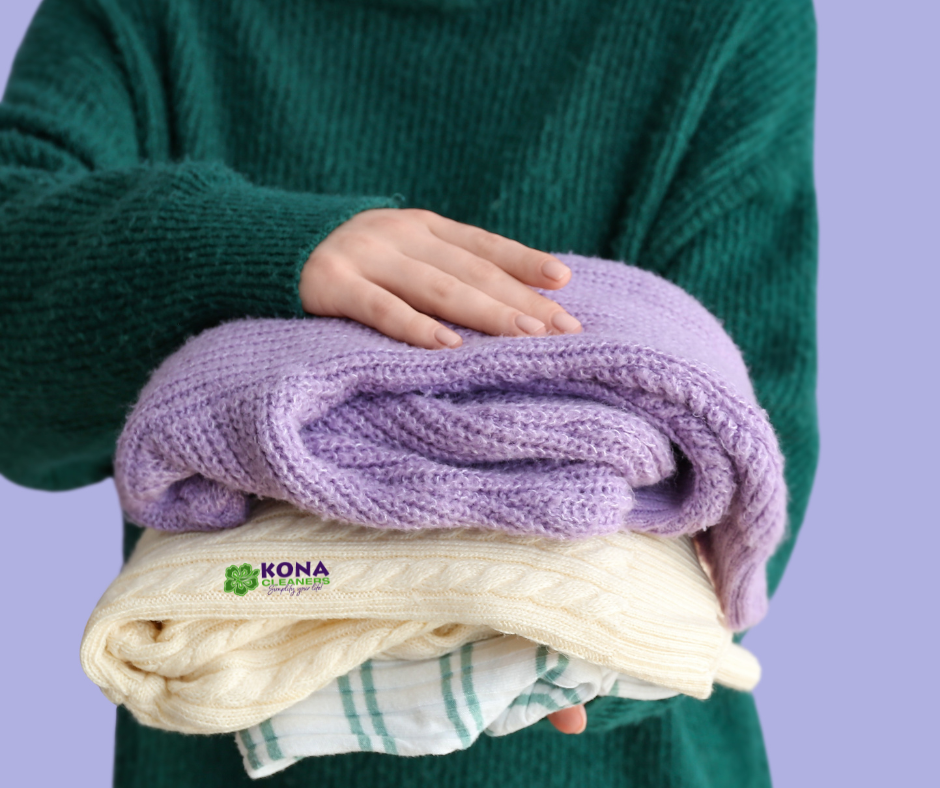
There’s nothing like pulling on your favorite sweater when the air turns crisp. The warmth, the texture, that perfectly soft feel is comfort in clothing form. But over time, even the most luxurious wool, cashmere, or cotton sweaters can lose their original softness. What was once plush and cozy can become scratchy, stiff, or shapeless.

The good news is that keeping your sweaters soft and cozy is simple with a few smart care habits and a little help from Kona Cleaners. Here’s how to protect your favorite knits and keep them feeling like new.

1. Choose the Right Detergent for Delicate Fibers  

The detergent you use can make or break your sweater’s lifespan. Most household detergents are formulated for heavy soil and stains, which means they contain strong enzymes that strip away the natural oils in wool and cashmere.

Instead, look for a mild, pH-balanced detergent labeled safe for delicates. These gentle formulas clean effectively without roughing up fibers. For a natural option, add a few drops of gentle baby shampoo to cool water when handwashing. It provides the same mild cleansing power while maintaining softness.

Always rinse thoroughly so no residue remains. Detergent buildup can make even the best-quality sweater feel dull and rough.

2. Skip Fabric Softener and Try White Vinegar Instead  

Fabric softeners may sound like the solution, but they can actually coat fibers with residue that traps oils and dirt. Over time, this buildup makes sweaters feel heavy and stiff rather than soft.

A tablespoon of white vinegar in the rinse cycle is a better alternative. It naturally softens fibers, removes detergent residue, and helps neutralize odors. The scent disappears once dry, leaving your sweater fresh and clean.

3. Wash in Cold Water and Handle with Care  

Hot water and agitation are your sweater’s worst enemies. They cause fibers to shrink, felt, and lose elasticity. Always use cold or lukewarm water and handle gently.

If washing by hand, swirl your sweater softly in the water without twisting or wringing. When using a machine, place it in a mesh laundry bag and choose the delicate or wool cycle to reduce friction.

After washing, press out excess water between two clean towels. Treat your sweaters gently, and they’ll stay soft and comfortable season after season.

4. Air Dry Flat to Preserve Shape and Texture  

The dryer is the quickest way to ruin a sweater. Heat causes shrinkage and damages the fibers, while tumbling distorts the shape. Always lay your sweaters flat to dry on a clean towel.

Reshape them gently while damp, especially around the neckline, sleeves, and hem. For heavier knits, layer another towel on top to draw out extra moisture. Avoid hanging sweaters, as gravity stretches the shoulders and neck.

5. Storage Tips for Keeping Your Sweaters Soft and Cozy  

Proper storage plays a huge role in maintaining softness and shape. Hanging sweaters stretches the fabric and causes misshapen shoulders. Instead, fold your sweaters neatly and store them in breathable cotton containers or fabric bins.

To keep them in top condition:

  • Avoid plastic storage bins that trap moisture.
  • Use lavender or cedar sachets to deter moths naturally.
  • Keep them in a cool, dry space away from sunlight.

Always store clean sweaters. Even trace amounts of oil or perfume can attract pests and cause fiber damage.

6. Give Your Sweaters a Professional Clean

Even with the best at-home care, your sweaters will occasionally need a deeper clean. Over time, body oils, dirt, and environmental residue can build up and affect the texture. That’s where Kona Cleaners can help.

Our gentle, specialized cleaning process is designed for wool, cashmere, and other fine fabrics. We remove buildup without stripping fibers, helping restore softness and shape. Professional care can make all the difference in preserving your sweaters for years to come.

7. Revive and Refresh Between Washes  

Not every wear calls for a full wash. If your sweater simply needs a pick-me-up, try these quick refresh methods:

  • Hang it outside on a mild, breezy day to air out.
  • Use a fabric steamer to release wrinkles and freshen the fibers.
  • Remove lint or fuzz with a sweater comb or lint roller.

If stubborn odors persist, bring it to Kona Cleaners and we’ll eliminate deep-set smells and restore that clean, fresh feel.

Stay Cozy All Winter Long with Kona Cleaners  

Your sweaters are an investment in comfort, and with proper care, they can last for many seasons. By washing gently, drying carefully, and trusting Kona Cleaners for expert care, you’ll have no trouble keeping your sweaters soft and cozy all winter long.

Find a Kona Cleaners near you here and let our experts help your favorite sweaters look and feel their best.

Effortless Holiday Table Ideas, SoCal Style

holiday table linens

The holidays in Southern California have their own kind of magic. Set the tone with beautifully prepared holiday table linens that make any gathering feel warm and welcoming. From golden sunsets to patio dinners, SoCal celebrations shine when your table looks as good as the menu.

Whether you’re planning a cozy dinner or a full-on feast, one thing ties it all together: a table that feels warm, welcoming, and full of personality.   

Set the Scene: How to Create a Holiday Table That Feels Effortless (and SoCal Chic)  

In SoCal, the holidays don’t usually come with snow—they come with sunshine, cool evenings, and good company. The air turns crisp just long enough for candles and sweaters to feel right, and backyard twinkle lights suddenly seem magical again. Whether it’s Thanksgiving in Irvine, Christmas brunch in Laguna, or New Year’s Eve by the coast, your table helps set the mood for everything that follows.

It’s more than a place to eat. It’s where stories are shared, laughter fills the air, and moments turn into memories. And it all starts with one simple thing: beautifully prepared holiday table linens.

Before you bring out the fancy dishes or light the candles, take a little time to create a table that feels effortless, inviting, and uniquely yours. Here’s how.   

Tips for Setting a Beautiful, Warm, and Inviting Holiday Table   

1. Pick a palette that feels like home  

Southern California style is all about easy sophistication. Go for soft whites, sandy neutrals, or coastal blues, and then mix in a little shimmer with gold or silver accents. Crisp ivory linens with deep green napkins always look timeless. Just keep it natural, not overly perfect.

2. Start with clean, crisp holiday table linens  

Nothing elevates a table faster than spotless linens. A freshly cleaned tablecloth makes every color pop and turns simple place settings into something special. When your linens are bright and smooth, everything else instantly looks more polished.

3. Layer for texture and depth  

If your table feels flat, start layering. Try a linen runner over a cotton tablecloth or folded napkins on top of woven chargers. Mixing textures gives your table more depth and dimension, making it look designed rather than just set. 

4. Keep centerpieces simple (and low)  

Skip anything that blocks the view. A few pine branches, fresh greenery, or a garland of eucalyptus can stretch down the center beautifully. Add candles or fairy lights for a soft, golden glow that feels cozy and festive.

5. Add a personal touch  

It’s the little details that make guests smile. Tie napkins with ribbon or twine and tuck in a sprig of rosemary. Write names on ornaments, seashells, or tags. These tiny touches make the table feel thoughtful and welcoming. 

6. Let the lighting steal the show  

Lighting is the secret ingredient. Combine candles, string lights, or lanterns to create warmth and ambiance. Lower the overhead lights, pour some wine, and watch your whole table come to life.   

Why Professionally Cleaned Holiday Table Linens Make All the Difference   

Even the prettiest table setup can lose its sparkle if your linens look tired or wrinkled. And after months in storage, they could use some extra care. That’s where Kona Cleaners comes in. 

1. Say goodbye to stubborn stains  

Wine, gravy, cranberry sauce? No problem. Our professional cleaning process removes even the toughest stains without damaging the fabric. Your linens will come back fresh, bright, and ready to impress. 

2. Keep fabrics soft and vibrant  

Your linens are an investment, and we treat them like one. We use eco-friendly, fabric-safe cleaning methods that protect the fibers and preserve the color so they stay soft and smooth for years to come.

3. Enjoy a perfectly pressed finish  

Ironing a large tablecloth is a challenge most people would rather skip. Our professional pressing service leaves your linens smooth, crisp, and completely wrinkle-free, so all you have to do is set the table and enjoy. 

Make Kona Cleaners Part of Your Holiday Prep  

Between gift shopping, decorating, and remembering where you hid the wrapping paper, your schedule is packed. So why not let us take care of the linens?

Bring your tablecloths, napkins, and runners to Kona Cleaners or schedule a pickup early, and we’ll have them spotless, pressed, and ready for your celebrations. That way, when it’s time to entertain, you can relax, pour another cup of cider, and enjoy the compliments.

Because in Southern California, a beautiful holiday table doesn’t just happen. It starts with Kona Cleaners.

5 Laundry Hacks That Hurt Your Clothes

laundry hacks that hurt your clothes

When Laundry Hacks Hurt Your Clothes  

The internet is full of “genius” laundry hacks that claim to make your clothes cleaner and your life easier. But here’s the thing: some of these so-called tricks are actually laundry hacks that hurt your clothes. Before you dump pantry ingredients into your washing machine or freeze your favorite jeans, it’s worth asking: Does this really work, or is it just a clever online claim?

At Kona Cleaners, we’ve seen every experiment under the sun. Some are harmless, some are hilarious, and some, well, end with clothes that look like science projects gone wrong. Let’s bust five popular laundry hacks that hurt your clothes (and your washer) and show you what to do instead.

1. The Baking Soda + Vinegar Combo  

Myth: Mixing baking soda and vinegar creates a powerful, all-natural cleaner. 

Truth: It seems like a smart combo, but these two cancel each other out. Baking soda is a base, and vinegar is an acid. When they meet, they neutralize one another and turn into mostly water and carbon dioxide. Sure, the fizz looks satisfying, but it doesn’t actually clean anything. In the end, your clothes get about as clean as if you’d washed them in plain water.

How to Use Them Correctly: To reap the benefits of each, timing is crucial. Add baking soda at the start of your wash to neutralize odors, then use vinegar during the rinse cycle (in the fabric softener compartment) to help remove detergent residue and gently soften cotton fabrics.

Kona Tip: Chemistry can be tricky, especially in your washing machine. Leave the experiments to us. Kona’s cleaning process keeps your clothes fresh, bright, and balanced—no fizz required.

2. Freezing Jeans to “Kill Germs”  

Myth: Putting jeans in the freezer eliminates bacteria and odors without washing. 

Truth: Unfortunately, your freezer isn’t a germ graveyard. It’s more like a nap zone. Cold temperatures can slow bacterial growth, but they don’t kill the odor-causing microbes clinging to your denim. Once your jeans thaw, the bacteria (and their smell) come right back. 

Better Option: Wash jeans inside out on cold to protect their color and shape, and avoid overwashing them; washing every 4–6 wears is sufficient. For deep cleaning without damage, professional cleaning removes odor and buildup safely.

Kona Tip: Skip the freezer burn and trust Kona to keep your denim looking cool and clean.

3. More Detergent = Cleaner Clothes   

Myth: The more soap you use, the cleaner your clothes will be.

Truth: It’s the opposite. Using too much detergent traps suds and dirt inside the fabric fibers, leaving your clothes stiff, dull, or even smelling bad. It also leaves residue that can irritate sensitive skin and clog your machine’s drainage system.

Better Option: Follow the measurement on your detergent’s cap or switch to pre-measured pods for consistency. And if you have a high-efficiency washer, remember—it needs less, not more.

Kona Tip: When you’re not sure how much detergent to use, our team knows precisely what your fabrics need. Less really is more when it comes to clean.

4. Vinegar as a Fabric Softener   

Myth: Vinegar is a safe and eco-friendly alternative to traditional fabric softeners.

Truth: This one’s half-true. A small splash of vinegar in the rinse cycle can help dissolve residue on sturdy cottons and towels. However, using it too often, or on delicate fabrics like spandex, silk, or polyester, can cause fading, weaken the elastic, and reduce the lifespan of your clothes. The acidity may also wear down rubber seals inside your washer.

Better Option: Use vinegar sparingly (and never full-strength), or opt for fabric softeners specifically made for your type of fabric.

Kona Tip: Want that soft, freshly laundered feel without the risk? Kona’s gentle cleaning process keeps clothes plush, bright, and long-lasting—no pantry products necessary.

5. Skipping the Dry Cleaner for “Delicate” Items  

Myth: The hand-wash or delicate cycle is just as good as dry cleaning. 

Truth: Not even close. Fabrics such as silk, wool, velvet, and many synthetics require professional solvents, not water, to preserve their shape and texture. Washing them at home can cause color bleeding, shrinkage, or warping that can’t be reversed.

Better Option: If a tag says “Dry Clean Only,” trust that it means what it says. Those instructions exist to protect the structure, dye, and fibers of your clothing.

Kona Tip: At Kona Cleaners, we utilize advanced, eco-friendly cleaning methods that safely remove stains and odors, keeping your special garments runway-ready. 

The Bottom Line: Trust Experts, Not Experiments  

The next time a laundry hack pops up on your feed, remember that not every “miracle trick” is worth the risk. Between neutralized vinegar reactions, sleeping bacteria, and detergent overloads, your wardrobe deserves better.

At Kona Cleaners, we use proven techniques (not laundry hacks that hurt your clothes) to care for your wardrobe the right way. From jeans to gowns, we’ll keep your garments clean, soft, and looking their best (no baking soda volcanoes required). Visit one of our convenient locations in Orange County and the Inland Empire or schedule a pickup.